By Cynthia J. Drake | Published on January 13, 2026
Mexico’s coastlines offer two of the most unforgettable cruise destinations in the world — the Baja Peninsula of Mexico on the Pacific side and the Yucatan Peninsula of Mexico on the Caribbean side. Each stunning Mexican peninsula offers a completely different experience, from the rugged deserts, whale watching and fresh seafood of Baja California to the Mayan ruins, cenotes and white-sand beaches of the Yucatan. But which Mexico destination should you choose? There are several differences between the Yucatan and Baja Peninsulas to consider while choosing your next cruise destination.
Whether you’re planning a Baja cruise along the Mexican Riviera or setting sail on Yucatan cruises from Florida or Texas, knowing the differences will help you decide where to go, what to do and how to make the most of your vacation.
Key Takeaways
- ● A cruise is the easiest and most enjoyable way to explore Mexico, combining comfortable onboard accommodations with onshore adventures.
- ● Travelers can choose between a vacation in the Baja Peninsula on the Pacific side or the Yucatan Peninsula on the Caribbean side, each offering unique landscapes, beaches, food and cultural experiences.
- ● Popular stops along Baja cruises include Cabo San Lucas, Ensenada, Mazatlán and Puerto Vallarta, where visitors can enjoy whale watching, fresh seafood, local markets and iconic coastal sights like El Arco and La Bufadora.
- ● Yucatan cruises feature destinations such as Cozumel, Cancun, Costa Maya and Merida, offering opportunities to explore Mayan ruins like Chichén Itzá, swim in cenotes, relax on white-sand beaches and experience local cuisine.
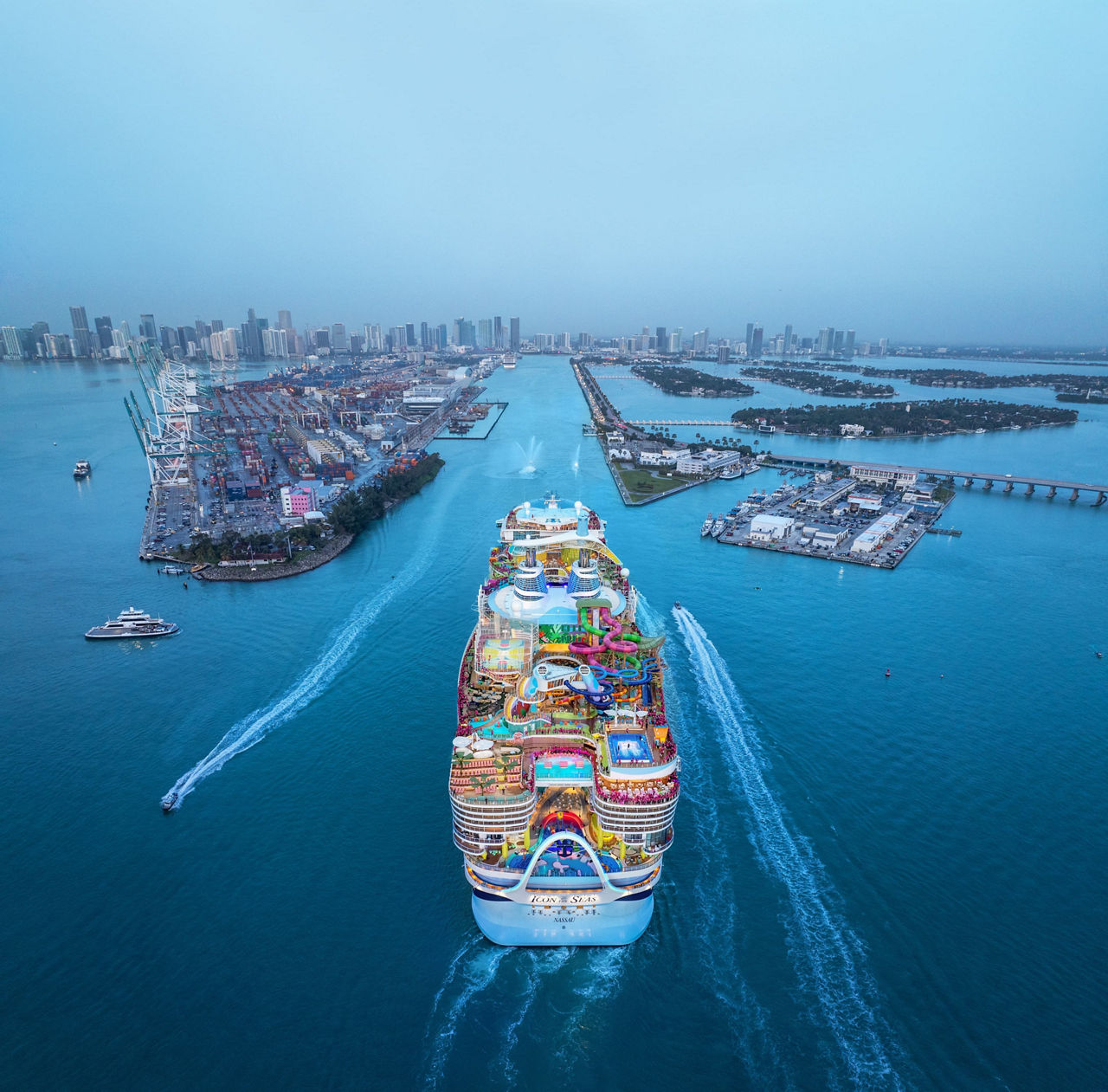
- ● A Royal Caribbean cruise to Mexico provides convenience, flexibility and the chance to experience both the scenic beauty and cultural treasures of the Yucatan Peninsula or the Baja Peninsula in Mexico.
Discover the Baja Peninsula, Mexico: West Coast Mexico Cruise Highlights
The Baja Peninsula in Mexico, which is located entirely in Mexico and extends south from California along the Pacific Coast, offers a stunning coastal experience along the Pacific. On this Mexican peninsula, you will enjoy scenic ocean views, charming port towns and vibrant local culture, making the Baja California Peninsula a top choice for West Coast Mexico cruises.
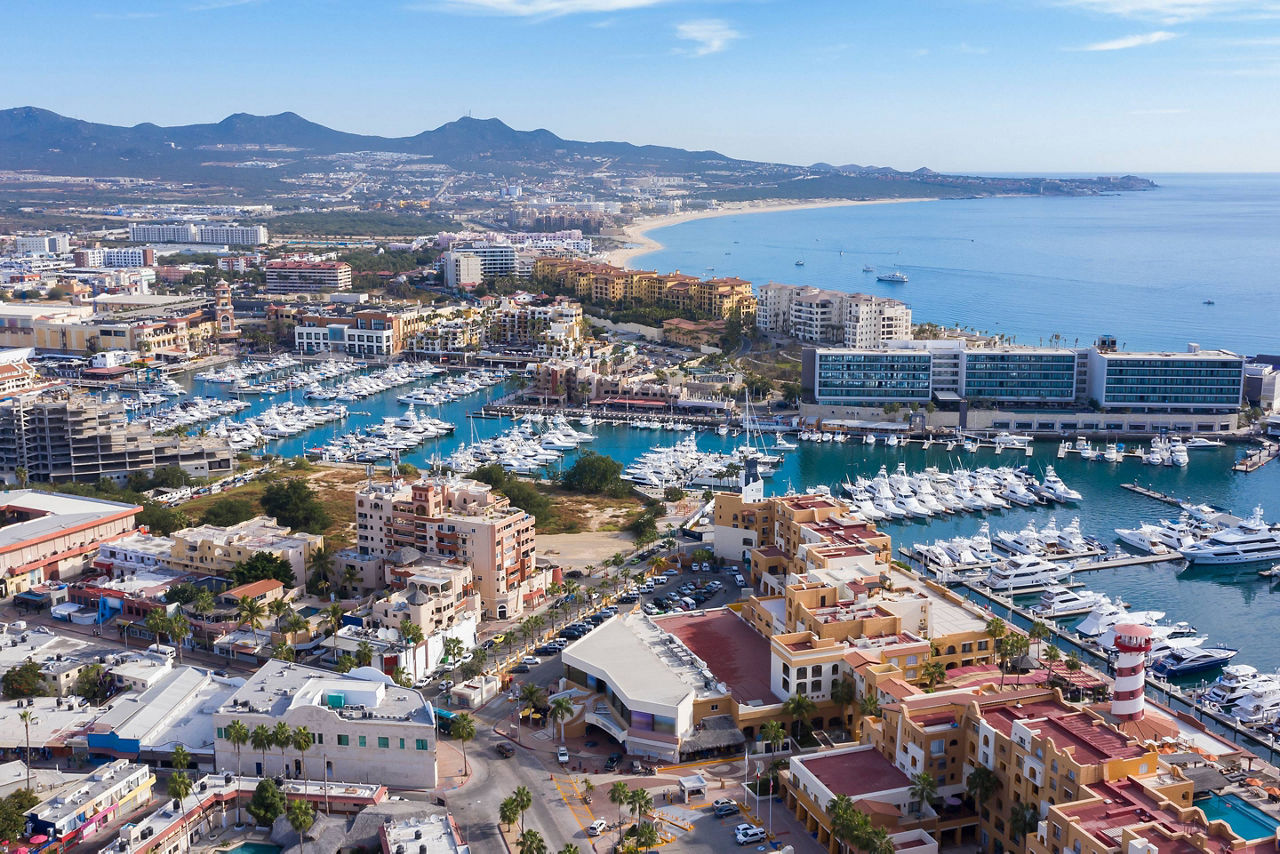
Known as the Mexican Riviera, Baja Mexico is known for its unique desert landscapes and rugged coastlines, shaped over millions of years by tectonic activity and the Gulf of California. Its history includes indigenous communities and centuries of Spanish colonial influence; however, the region has a breezy, Mediterranean-like vibe along the Gulf of California to the Pacific Ocean.
Cruises to Baja typically depart from the Port of Long Beach in California and sail south to Cabo San Lucas and San Jose del Cabo — collectively "Los Cabos" or "Cabo" — with stops in Ensenada, Acapulco, Mazatlán and Puerto Vallarta along the way. These are some of the most beloved coastal Mexican destinations for cruise travelers, thanks to the gorgeous, windswept ocean views, enchanting coastlines, quaint cobblestone streets, great shopping and cultural experiences, and fantastic dining experiences that include fresh seafood and made-at-your-table salsas.
The best months to visit Baja Mexico are from November to April, when the weather is warm and whale watching is at its peak.
Shop and Walk: Local Markets in Cabo San Lucas, Baja Mexico
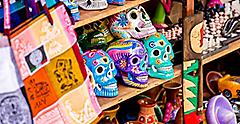
Typical Mexican souvenirs are plentiful here, including tequila and Mexican vanilla. Handmade leather goods, including cowboy boots, jackets and belts, can be purchased at great prices throughout all of these port cities.
In many places, like with the well-known vacation spot of Cabo San Lucas, you'll find open-air markets filled with artisan-made goods, including Talavera pottery and local artwork. For locals in Mexico, bargaining is somewhat of an art form. Take the time to brush up on your skills — and your most polite Spanish vocabulary — before you leave port.
Explore the Baja Peninsula: Beaches, Whale Watching and Outdoor Adventures
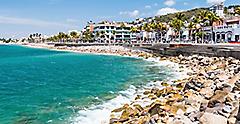
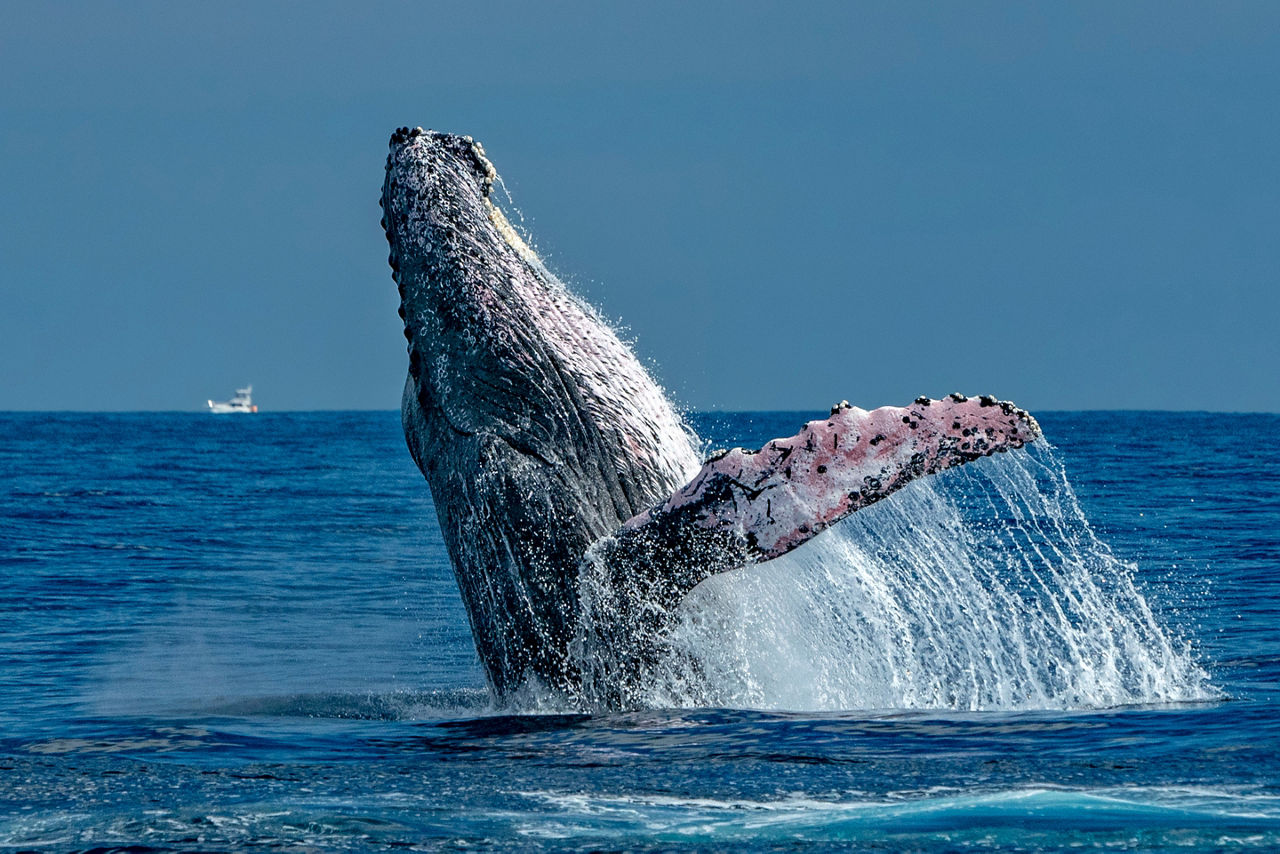
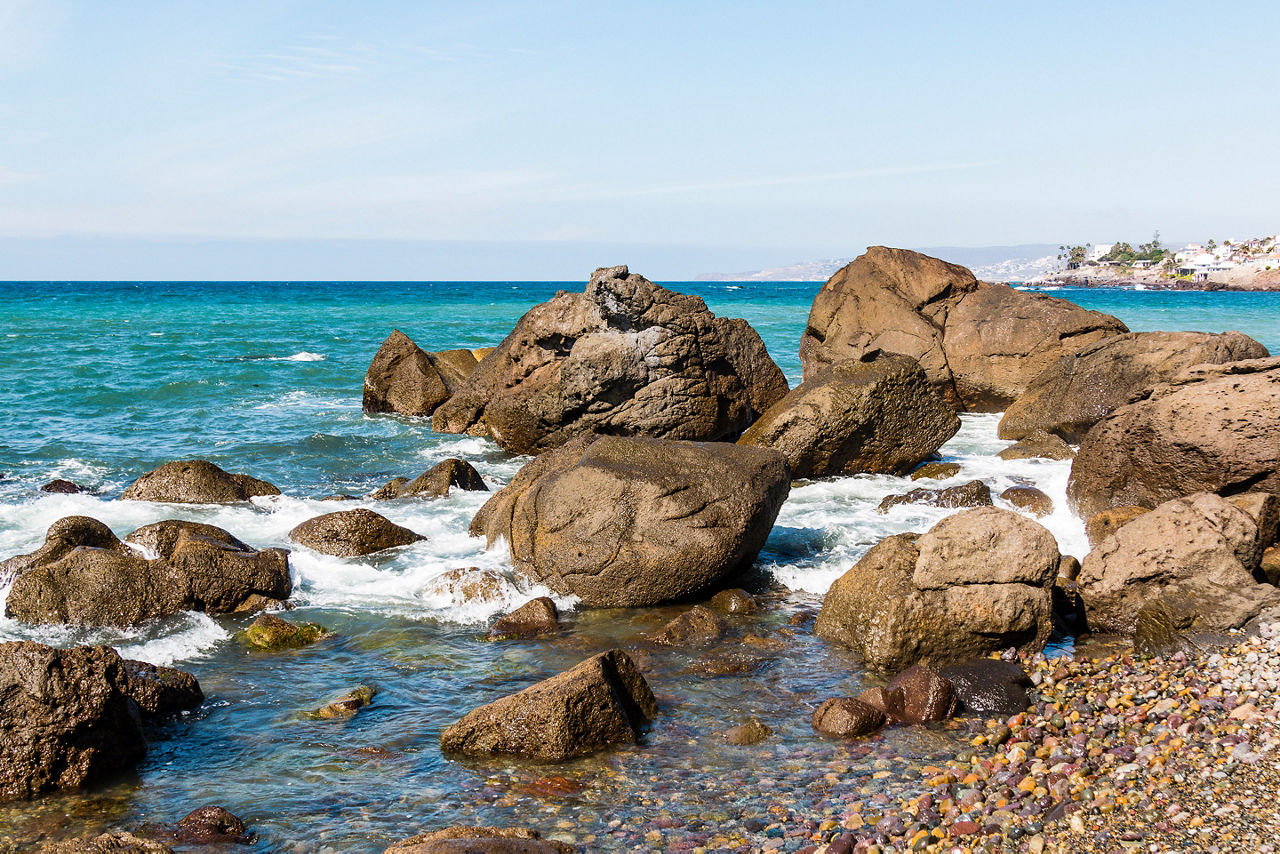
A top destination for beach lovers, wildlife enthusiasts and adventurers, a vacation in the Baja Peninsula offers rockier beaches and bigger waves in some parts than its eastern counterparts. However, there are still plenty of reasons to visit the beach for a swing in a beachy hammock, a scenic sunset cruise and a chance to go whale watching, especially considering the Baja Peninsula is a migratory stop for humpback and gray whales. Some beaches to visit include:
- ● In Mazatlán, you're likely to catch some waves — or at least watch surfers enjoying them — at Playa Bruja. Other area beaches include Playa Los Gaviotas, Playa Sabalo and Playa Olas Altas.
- ● When in Puerto Vallarta, enjoy the calm waters at Playa las Gemelas or Playa de los Muertos.
- ● Cabo beaches are beautiful, and some of the best-loved beaches include Medano Beach, Playa de los Amantes — or Lovers Beach — and Playa Chileno. But beach goers beware, not all Cabo beaches are safe for swimming. Look for posted signage to ensure your safety.
Top Sights and Experiences on a Baja Cruise
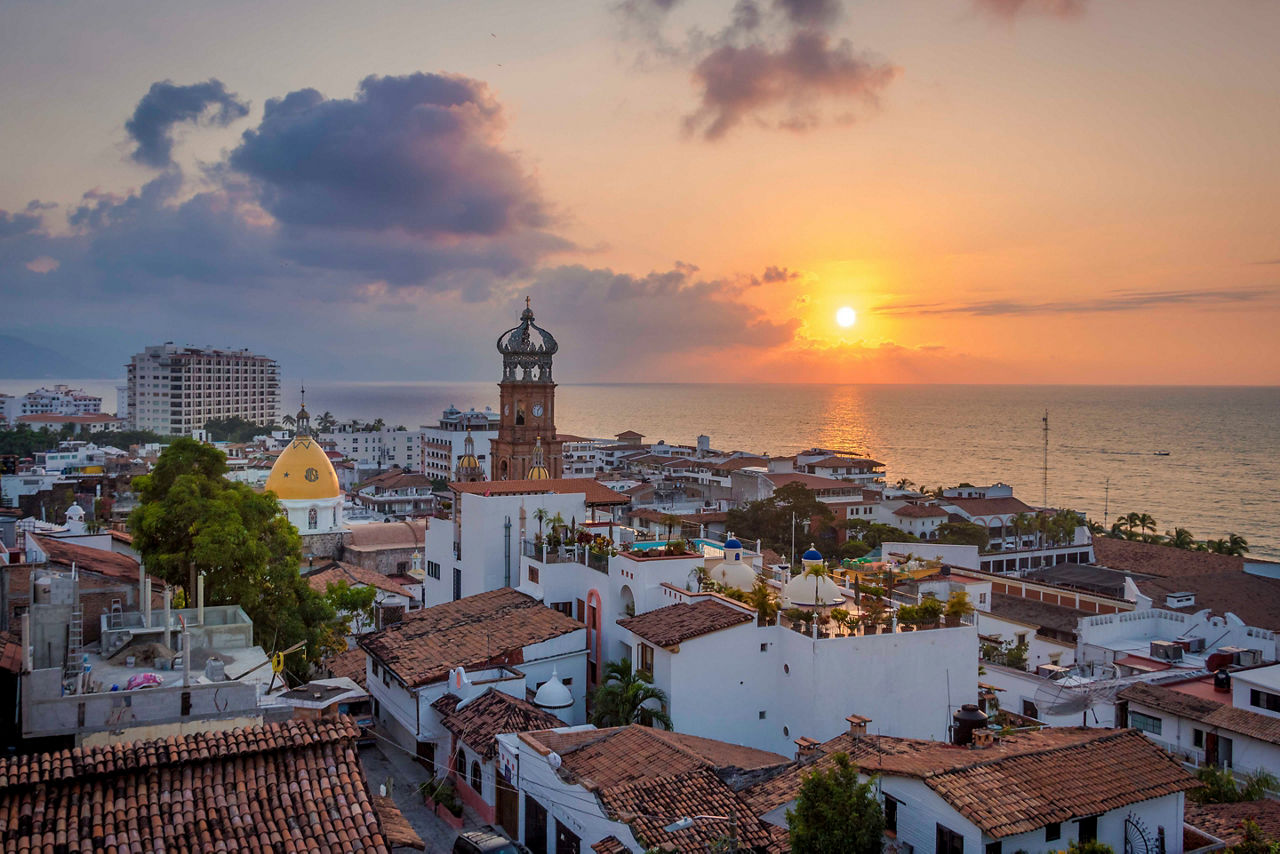
A favorite thing to do when visiting towns in Mexico is discovering their old historic city centers and taking a stroll through the streets to admire historic churches and storefronts. Find a local “mercado” — market — and admire the array of fresh produce, meats, cheeses and other goods for sale to get an authentic local experience.
Though you likely won't be able to take in all of the sights on a single Mexican Riviera cruise, here are some of the biggest sightseeing highlights of this region:
- ● In Ensenada, visit La Bufadora — also known as a blowhole — one of the largest water geysers on the planet, and get drenched by the strong gush of water.
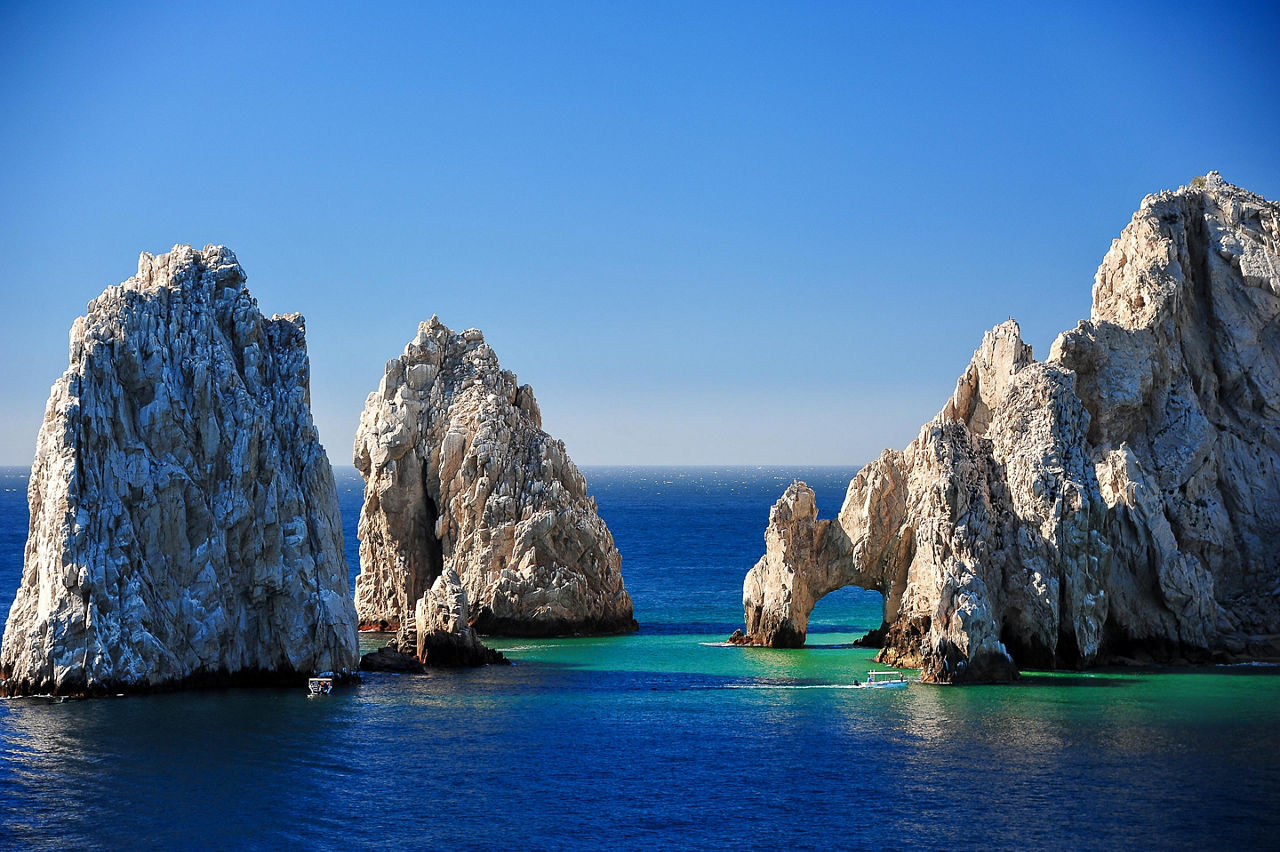
- ● In Cabo, the Arco de Cabo San Lucas is a must-see tour. Take a small cruise out to this iconic rock arch for beautiful photos of this region.
- ● When in Puerto Vallarta, go for a stroll down the Malecón waterfront, taking in the statues and sand sculptures, while making your way to the historic city center, filled with cobblestone streets leading to quaint shops.
- ● Mazatlán — known as the shrimp capital of the world — boasts a beautiful waterfront and is also home to a booming artist community. The Monument to the Continuity of Life is an iconic art installation located on the Malecón, which features a display of dolphins leaping into the air.
Top Sights and Experiences on a Baja Cruise

A typical Western Mexico cruise travels through several diverse Mexican states, each with its own signature cuisines and dishes. Owing to the Baja Peninsula's coastal position, you'll find a variety of fresh seafood dishes throughout all of these areas of Mexico.
A selection of dishes awaits you, from shrimp tacos to ceviche to fried mojarra fish, along with tableside preparation of salsas and guacamoles to your taste and spice preference. In Ensenada, look for chocolate clams — the "chocolate" refers to the type of clam, not actual chocolate. Puerto Vallarta's claim to fame is the “Piña Loca” — crazy pineapple — a hulled fruit shell filled with fresh fruit, salt, chili or “chamoy.”
To toast to your adventure toward finding the best vacation spots in Mexico, while in Ensenada, try a “doble canala” — a michelada/bloody mary-style cocktail. Elsewhere, try a paloma or — naturally — a classic margarita.
Explore the Yucatan Peninsula of Mexico: East Coast Cruise Destinations
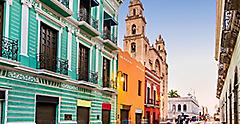
Mexico's "East Coast" refers to the Yucatan Peninsula or the Caribbean side of Mexico. Located due south of Louisiana and just west of Cuba, the Yucatan Peninsula is at the country's southernmost tip, usually accessible via cruise departures from Florida or Texas. These itineraries include the Mexican states of Yucatan and Quintana Roo and the famed cities of Tulum, Playa del Carmen, Merida and Cancun, plus the island of Cozumel.
Though all the Mexican coastal areas are rich with beautiful sun-drenched beaches where you can curl up with a freshly prepared margarita and a good beach read, you'd be remiss not to explore the cultural treasures of the Yucatan on this side of Mexico. For that reason, the vibe here feels slightly more adventurous and rugged than a typical Mexican vacation. Your curiosity will lead you to uncover some beautiful visual treasures around every corner.
Chichén Itzá and Mayan Ruins To Explore on Yucatan Cruises
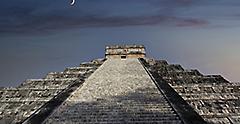
The Yucatan boasts the breathtakingly preserved Mayan ruins, which are part of the Zona Maya or Mayan Zone, towering high overhead. Some of them emerge from thick rainforests and jungle-like terrain, while others are near the sparkling blue Gulf Coast water. You'll see temples, ball courts and intricate stone carvings dating back to 1,000 B.C.
Chichén Itzá, one of the Wonders of the World and the most famous of these Mayan ruins, is a 740-acre ancient historical site filled with awe-inspiring structures. Dozens of other Mayan ruins can be found in this area, including sites like Uxmal, Coba, Xel Ha and Tulum.
Even the lesser-known ruins, such as Chacchoben, located near the Costa Maya cruise port, are worth a day trip. You'll be amazed at the level of access you have as you climb ancient steps and take close-up photographs of these beautiful structures. To make the most out of your shore excursion, be sure to book a guided tour where you can learn the history and see it come to life.
The eastern part of Mexico is also known for its cenotes — pronounced “say-NO-tays” — which are deep natural sinkholes, created millions of years ago when the earth's crust broke open to reveal groundwater. These cenotes also played an important role in Mayan civilization and religious ceremonies as a source of fresh water.
Cenotes are hugely Instagrammable, with their turquoise blue waters, rocky interior walls and lush surrounding vegetation. You can also swim, snorkel and dive in many of them. As with the Mayan ruins, it's important to take a guided tour to visit cenotes. This ensures you take precautions to stay safe and tread on these sacred treasures with appropriate permission and permits.
Best Beaches on the Yucatan Peninsula for Your Cruise Vacation
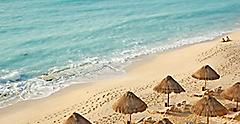
The beaches — or “playas” in Spanish — on the Yucatan Peninsula are bountiful. Most have private sun chairs and umbrellas — usually available for rent — as well as strategically placed bars and restaurants ideal for grabbing a midday snack or beverage while maximizing your time in the sun. Many offer additional amenities and attractions with the purchase of a day pass, which can be booked onboard as a shore excursion. Occasionally, you might be visited by beach vendors selling tchotchkes, food or other goods.
Some of the best beaches of the Yucutan include:
- ● Progreso Beach is located a short bus ride from the cruise port.
- ● Sisal, a beach located near a small fishing village named for the sisal fiber that was a thriving industry for this part of the country.
- ● Top-rated Cancun beaches include Playa Chac Mool, Playa Ballenas, Playacar Beach and Playa Delfines. These quintessential white sandy beaches often have tourist beach clubs that offer add-on amenities like water attractions for an additional fee.
- ● Public beaches near the Cozumel port include Playa Corona, Playa Palancar, Playa Chen Rio, Playa Mia and Playa San Francisco — home of the popular Mr. Sanchos beach club. The snorkeling and diving are perfect for exploring the beautiful underwater reef system. The areas surrounding the beaches can be a bit rocky, so beach shoes are highly recommended.
Must-Try Foods: Savor Local Cuisine on the Yucatan Peninsula
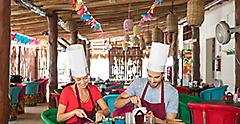
Though you'll find more seafood closer to the coastal areas, a trip to some of the major Yucatan cities, such as Merida, offers some iconic dishes. For example, “cochinita pibil” is a signature dish that is cooked underground by slow-roasting a suckling pig wrapped in banana leaves.
Other foods not to be missed include “salbutes” — crispy tortillas topped with meat, cheese and veggies — “sopa de lima” — a soup made with chicken and a savory citrus stock — and “sopes” — a small, thick, fried masa base filled with beans and meat. For dessert, you can order a “marquesita” — a crepe-like treat filled with cheese and sweet fillings, including chocolate or jam.
“Xtabentún” — pronounced “ish-ta-ben-TOON” — is a locally produced, light yellow liqueur made from anise and honey produced by nectar from the local “Xtabentún” flower. It has a pleasant, lightly sweet licorice taste and makes for a unique gift to take home as a souvenir of your cruise.
Set Sail on Your Next Mexican Adventure To the Yucutan or Baja, Mexico
Whether you choose a vacation to the Baja Peninsula with its rugged coastline, whale watching and fresh seafood, or the Yucatan Peninsula with its Mayan ruins, turquoise cenotes and white-sand beaches, a cruise to either of these Mexican peninsulas offers unforgettable experiences for every traveler. From exploring charming port towns to indulging in local cuisine and soaking up sun-drenched beaches, both regions promise adventure and relaxation in equal measure.

Get Royal Deals, Sign Up Today

Getting There
Best Deals To Discover East and West Coast of Mexico
Lively seaside towns with yacht-studded harbors and glamorous resorts